build 7bbbddf7 | content blog-content@c8490fa · 338 posts | profiles 20 · corpus 267 | 0 skipped | | format
apiVersion: soultec.ch/v1kind: Postmetadata: name: vcsa-ip-change locale: en labels: author: norbert-hamm series: lessons-learned capability/virtualization: 1.37 vendor/vmware: 0.88 annotations: source: blog-content/posts/en/vcsa-ip-change.md route: /en/insights/vcsa-ip-change/ schema: /nerd/schema/posts.json markdown: /en/insights/vcsa-ip-change.mdspec: title: VCSA IP Change date: 2023-01-10 author: norbert-hamm locale: en summary: >- Have you ever thought about moving your ESXi servers into a different network segment? Reconnecting a host after an IP change can take up to 30 minutes. It does not have to. capabilities: [virtualization] vendors: [vmware] series: lessons-learned hero: /blog-assets/vcsa-ip-change/hero.webp migrated: 2026-08-24 translationReviewed: false draft: false sections: - body: | Have you ever thought about moving your ESXi servers into a different network segment? There are plenty of guides on the web, but while doing the work we noticed that reconnecting an ESXi host after an IP change can take up to 30 minutes. Let us work out how to speed that up. - heading:

The vCenter Server resolving the wrong name

body: | The cause is often stale name resolution on the vCenter Server Appliance. There is a way to cut the reconnect time down considerably. Our example assumes this configuration: ![vCenter configuration](/blog-assets/vcsa-ip-change/01.webp) The goal is to change the VLAN and the IP address while keeping the ESXi servers' names, and to keep every virtual machine running without interruption. At the end we have to flush the DNS cache on the VCSA. ### Procedure 1. Disable vSphere HA on the cluster (as a precaution) 2. Disconnect the first ESXi host in vCenter (the VMs keep running) 3. Change the IP and VLAN on the ESXi host console 4. Adjust the host's DNS record in the forward and reverse lookup zones 5. Connect to vCenter over SSH and run the tests in the next section 6. Reconnect the ESXi host in vCenter 7. Repeat steps 2 to 6 for the remaining ESXi hosts 8. Enable vSphere HA on the cluster again #### Tests on the vCenter Server Ping the ESXi host by short name: ![short name ping fails](/blog-assets/vcsa-ip-change/02.webp) systemctl restart dnsmasq ![systemctl command](/blog-assets/vcsa-ip-change/03.webp) The short name ping works again. ![short name ping succeeds](/blog-assets/vcsa-ip-change/04.webp) The FQDN ping does not. ![FQDN ping fails](/blog-assets/vcsa-ip-change/05.webp) systemctl restart systemd-resolved fixes that too. ![](/blog-assets/vcsa-ip-change/06.webp) FQDN ping succeeds: ![](/blog-assets/vcsa-ip-change/07.webp) ### Solution Two services have to be restarted on vCenter so that name resolution drops its cache and picks up DNS changes quickly: - systemctl restart dnsmasq - systemctl restart systemd-resolved That is how you flush the DNS cache on your VCSA.status: corpus: 267 alsoLike: - {ref: posts/announcing-end-of-support-life-for-vsphere-7-0, score: 1.00} - {ref: posts/hpe-vm-essentials-part-2, score: 1.00} - {ref: solutions/vmware/vsphere-foundation, score: 0.59}
{ "apiVersion": "soultec.ch/v1", "kind": "Post", "metadata": { "name": "vcsa-ip-change", "locale": "en", "labels": { "author": "norbert-hamm", "series": "lessons-learned", "capability/virtualization": "1.37", "vendor/vmware": "0.88" }, "annotations": { "source": "blog-content/posts/en/vcsa-ip-change.md", "route": "/en/insights/vcsa-ip-change/", "schema": "/nerd/schema/posts.json", "markdown": "/en/insights/vcsa-ip-change.md" } }, "spec": { "title": "VCSA IP Change", "date": "2023-01-10", "author": "norbert-hamm", "locale": "en", "summary": "Have you ever thought about moving your ESXi servers into a different network segment? Reconnecting a host after an IP change can take up to 30 minutes. It does not have to.", "capabilities": [ "virtualization" ], "vendors": [ "vmware" ], "series": "lessons-learned", "hero": "/blog-assets/vcsa-ip-change/hero.webp", "migrated": "2026-08-24", "translationReviewed": false, "draft": false }, "sections": [ { "body": "Have you ever thought about moving your ESXi servers into a different network segment? There are plenty of guides on the web, but while doing the work we noticed that reconnecting an ESXi host after an IP change can take up to 30 minutes. Let us work out how to speed that up." }, { "heading": "

The vCenter Server resolving the wrong name

",
"body": "The cause is often stale name resolution on the vCenter Server Appliance. There is a way to cut the reconnect time down considerably. Our example assumes this configuration:\n\n![vCenter configuration](/blog-assets/vcsa-ip-change/01.webp)\n\nThe goal is to change the VLAN and the IP address while keeping the ESXi servers' names, and to keep every virtual machine running without interruption. At the end we have to flush the DNS cache on the VCSA.\n\n### Procedure\n\n1. Disable vSphere HA on the cluster (as a precaution)\n2. Disconnect the first ESXi host in vCenter (the VMs keep running)\n3. Change the IP and VLAN on the ESXi host console\n4. Adjust the host's DNS record in the forward and reverse lookup zones\n5. Connect to vCenter over SSH and run the tests in the next section\n6. Reconnect the ESXi host in vCenter\n7. Repeat steps 2 to 6 for the remaining ESXi hosts\n8. Enable vSphere HA on the cluster again\n\n#### Tests on the vCenter Server\n\nPing the ESXi host by short name:\n\n![short name ping fails](/blog-assets/vcsa-ip-change/02.webp)\n\nsystemctl restart dnsmasq\n\n![systemctl command](/blog-assets/vcsa-ip-change/03.webp)\n\nThe short name ping works again.\n\n![short name ping succeeds](/blog-assets/vcsa-ip-change/04.webp)\n\nThe FQDN ping does not.\n\n![FQDN ping fails](/blog-assets/vcsa-ip-change/05.webp)\n\nsystemctl restart systemd-resolved fixes that too.\n\n![](/blog-assets/vcsa-ip-change/06.webp)\n\nFQDN ping succeeds:\n\n![](/blog-assets/vcsa-ip-change/07.webp)\n\n### Solution\n\nTwo services have to be restarted on vCenter so that name resolution drops its cache and picks up DNS changes quickly:\n\n- systemctl restart dnsmasq\n- systemctl restart systemd-resolved\n\nThat is how you flush the DNS cache on your VCSA." } ], "status": { "corpus": 267, "alsoLike": [ { "ref": "posts/announcing-end-of-support-life-for-vsphere-7-0", "score": "1.00" }, { "ref": "posts/hpe-vm-essentials-part-2", "score": "1.00" }, { "ref": "solutions/vmware/vsphere-foundation", "score": "0.59" } ] }}
apiVersion = "soultec.ch/v1"kind = "Post"[metadata]name = "vcsa-ip-change"locale = "en"[metadata.labels]author = "norbert-hamm"series = "lessons-learned""capability/virtualization" = "1.37""vendor/vmware" = "0.88"[metadata.annotations]source = "blog-content/posts/en/vcsa-ip-change.md"route = "/en/insights/vcsa-ip-change/"schema = "/nerd/schema/posts.json"markdown = "/en/insights/vcsa-ip-change.md"[spec]title = "VCSA IP Change"date = 2023-01-10author = "norbert-hamm"locale = "en"summary = "Have you ever thought about moving your ESXi servers into a different network segment? Reconnecting a host after an IP change can take up to 30 minutes. It does not have to."capabilities = ["virtualization"]vendors = ["vmware"]series = "lessons-learned"hero = "/blog-assets/vcsa-ip-change/hero.webp"migrated = 2026-08-24translationReviewed = falsedraft = false[[sections]]body = "Have you ever thought about moving your ESXi servers into a different network segment? There are plenty of guides on the web, but while doing the work we noticed that reconnecting an ESXi host after an IP change can take up to 30 minutes. Let us work out how to speed that up."[[sections]]heading = "

The vCenter Server resolving the wrong name

"
body = '''The cause is often stale name resolution on the vCenter Server Appliance. There is a way to cut the reconnect time down considerably. Our example assumes this configuration:![vCenter configuration](/blog-assets/vcsa-ip-change/01.webp)The goal is to change the VLAN and the IP address while keeping the ESXi servers' names, and to keep every virtual machine running without interruption. At the end we have to flush the DNS cache on the VCSA.### Procedure1. Disable vSphere HA on the cluster (as a precaution)2. Disconnect the first ESXi host in vCenter (the VMs keep running)3. Change the IP and VLAN on the ESXi host console4. Adjust the host's DNS record in the forward and reverse lookup zones5. Connect to vCenter over SSH and run the tests in the next section6. Reconnect the ESXi host in vCenter7. Repeat steps 2 to 6 for the remaining ESXi hosts8. Enable vSphere HA on the cluster again#### Tests on the vCenter ServerPing the ESXi host by short name:![short name ping fails](/blog-assets/vcsa-ip-change/02.webp)systemctl restart dnsmasq![systemctl command](/blog-assets/vcsa-ip-change/03.webp)The short name ping works again.![short name ping succeeds](/blog-assets/vcsa-ip-change/04.webp)The FQDN ping does not.![FQDN ping fails](/blog-assets/vcsa-ip-change/05.webp)systemctl restart systemd-resolved fixes that too.![](/blog-assets/vcsa-ip-change/06.webp)FQDN ping succeeds:![](/blog-assets/vcsa-ip-change/07.webp)### SolutionTwo services have to be restarted on vCenter so that name resolution drops its cache and picks up DNS changes quickly:- systemctl restart dnsmasq- systemctl restart systemd-resolvedThat is how you flush the DNS cache on your VCSA.'''[status]corpus = 267[[status.alsoLike]]ref = "posts/announcing-end-of-support-life-for-vsphere-7-0"score = "1.00"[[status.alsoLike]]ref = "posts/hpe-vm-essentials-part-2"score = "1.00"[[status.alsoLike]]ref = "solutions/vmware/vsphere-foundation"score = "0.59"
<?xml version="1.0" encoding="UTF-8"?><manifest kind="Post"> <apiVersion>soultec.ch/v1</apiVersion> <metadata> <name>vcsa-ip-change</name> <locale>en</locale> <labels> <author>norbert-hamm</author> <series>lessons-learned</series> <entry key="capability/virtualization">1.37</entry> <entry key="vendor/vmware">0.88</entry> </labels> <annotations> <source>blog-content/posts/en/vcsa-ip-change.md</source> <route>/en/insights/vcsa-ip-change/</route> <schema>/nerd/schema/posts.json</schema> <markdown>/en/insights/vcsa-ip-change.md</markdown> </annotations> </metadata> <spec> <title>VCSA IP Change</title> <date>2023-01-10</date> <author>norbert-hamm</author> <locale>en</locale> <summary>Have you ever thought about moving your ESXi servers into a different network segment? Reconnecting a host after an IP change can take up to 30 minutes. It does not have to.</summary> <capabilities> <item>virtualization</item> </capabilities> <vendors> <item>vmware</item> </vendors> <series>lessons-learned</series> <hero>/blog-assets/vcsa-ip-change/hero.webp</hero> <migrated>2026-08-24</migrated> <translationReviewed>false</translationReviewed> <draft>false</draft> </spec> <sections> <section> <body>Have you ever thought about moving your ESXi servers into a different network segment? There are plenty of guides on the web, but while doing the work we noticed that reconnecting an ESXi host after an IP change can take up to 30 minutes. Let us work out how to speed that up.</body> </section> <section> <heading>

The vCenter Server resolving the wrong name

</heading>
<body>The cause is often stale name resolution on the vCenter Server Appliance. There is a way to cut the reconnect time down considerably. Our example assumes this configuration:![vCenter configuration](/blog-assets/vcsa-ip-change/01.webp)The goal is to change the VLAN and the IP address while keeping the ESXi servers' names, and to keep every virtual machine running without interruption. At the end we have to flush the DNS cache on the VCSA.### Procedure1. Disable vSphere HA on the cluster (as a precaution)2. Disconnect the first ESXi host in vCenter (the VMs keep running)3. Change the IP and VLAN on the ESXi host console4. Adjust the host's DNS record in the forward and reverse lookup zones5. Connect to vCenter over SSH and run the tests in the next section6. Reconnect the ESXi host in vCenter7. Repeat steps 2 to 6 for the remaining ESXi hosts8. Enable vSphere HA on the cluster again#### Tests on the vCenter ServerPing the ESXi host by short name:![short name ping fails](/blog-assets/vcsa-ip-change/02.webp)systemctl restart dnsmasq![systemctl command](/blog-assets/vcsa-ip-change/03.webp)The short name ping works again.![short name ping succeeds](/blog-assets/vcsa-ip-change/04.webp)The FQDN ping does not.![FQDN ping fails](/blog-assets/vcsa-ip-change/05.webp)systemctl restart systemd-resolved fixes that too.![](/blog-assets/vcsa-ip-change/06.webp)FQDN ping succeeds:![](/blog-assets/vcsa-ip-change/07.webp)### SolutionTwo services have to be restarted on vCenter so that name resolution drops its cache and picks up DNS changes quickly:- systemctl restart dnsmasq- systemctl restart systemd-resolvedThat is how you flush the DNS cache on your VCSA. </body> </section> </sections> <status> <corpus>267</corpus> <alsoLike> <item> <ref>posts/announcing-end-of-support-life-for-vsphere-7-0</ref> <score>1.00</score> </item> <item> <ref>posts/hpe-vm-essentials-part-2</ref> <score>1.00</score> </item> <item> <ref>solutions/vmware/vsphere-foundation</ref> <score>0.59</score> </item> </alsoLike> </status></manifest>
Lessons learned · 2023-01-10

VCSA IP Change

Have you ever thought about moving your ESXi servers into a different network segment? Reconnecting a host after an IP change can take up to 30 minutes. It does not have to.

2023-01-10Date
Norbert HammAuthor
2Min read
Topics Virtualization 1.37
Vendors VMware 0.88

Have you ever thought about moving your ESXi servers into a different network segment? There are plenty of guides on the web, but while doing the work we noticed that reconnecting an ESXi host after an IP change can take up to 30 minutes. Let us work out how to speed that up.

The vCenter Server resolving the wrong name

The cause is often stale name resolution on the vCenter Server Appliance. There is a way to cut the reconnect time down considerably. Our example assumes this configuration:

vCenter configuration

The goal is to change the VLAN and the IP address while keeping the ESXi servers’ names, and to keep every virtual machine running without interruption. At the end we have to flush the DNS cache on the VCSA.

Procedure

  1. Disable vSphere HA on the cluster (as a precaution)
  2. Disconnect the first ESXi host in vCenter (the VMs keep running)
  3. Change the IP and VLAN on the ESXi host console
  4. Adjust the host’s DNS record in the forward and reverse lookup zones
  5. Connect to vCenter over SSH and run the tests in the next section
  6. Reconnect the ESXi host in vCenter
  7. Repeat steps 2 to 6 for the remaining ESXi hosts
  8. Enable vSphere HA on the cluster again

Tests on the vCenter Server

Ping the ESXi host by short name:
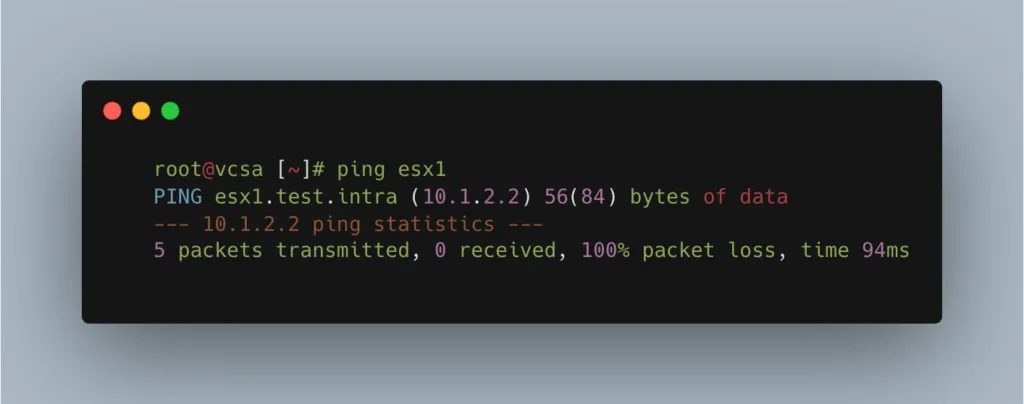
short name ping fails

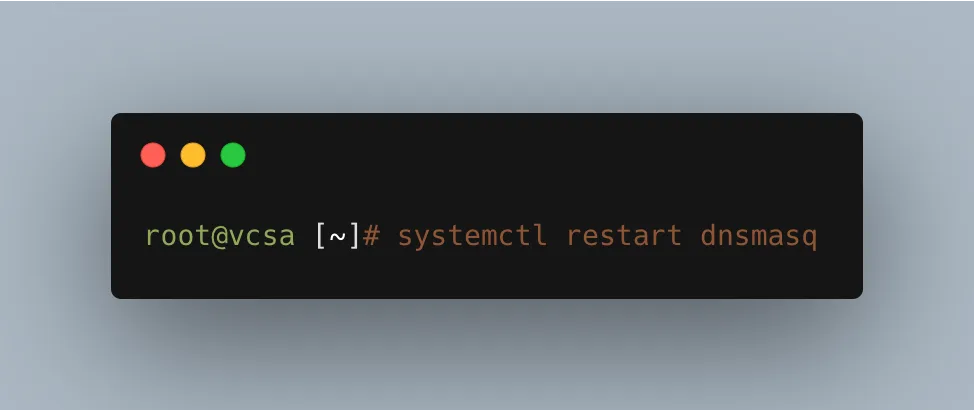
systemctl restart dnsmasq

systemctl command

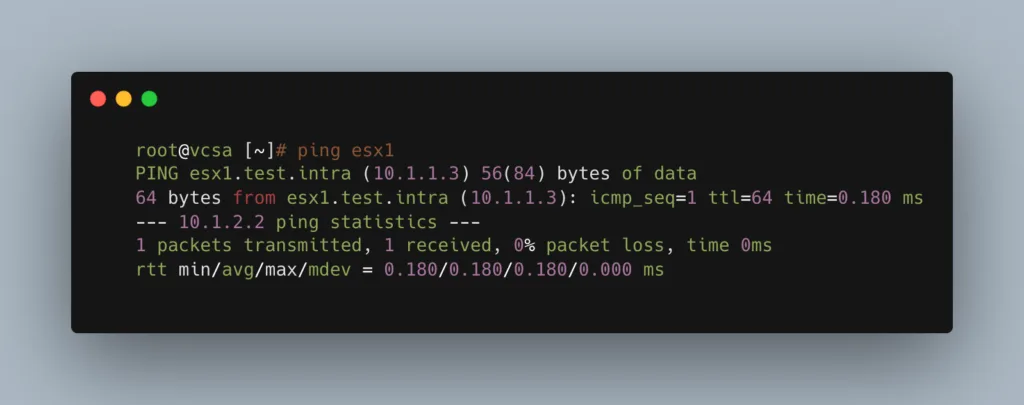
The short name ping works again.

short name ping succeeds

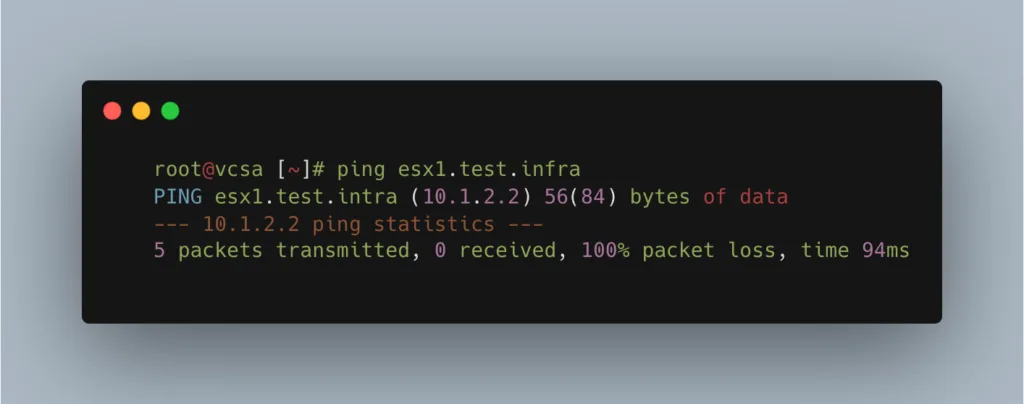
The FQDN ping does not.

FQDN ping fails

systemctl restart systemd-resolved fixes that too.
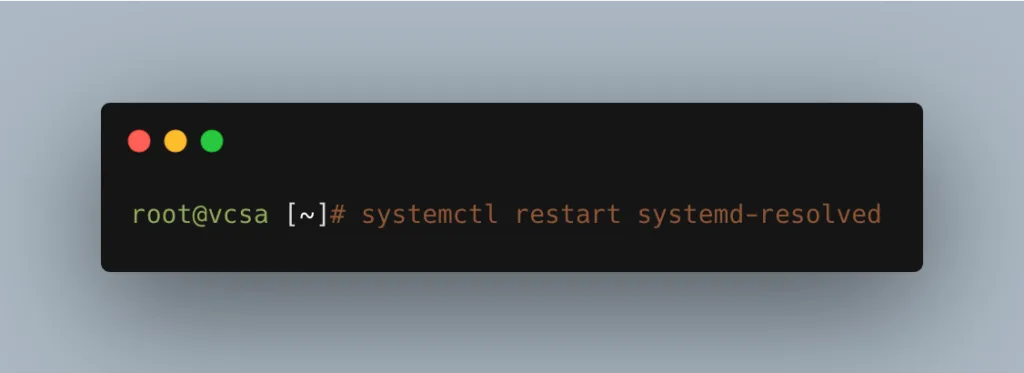
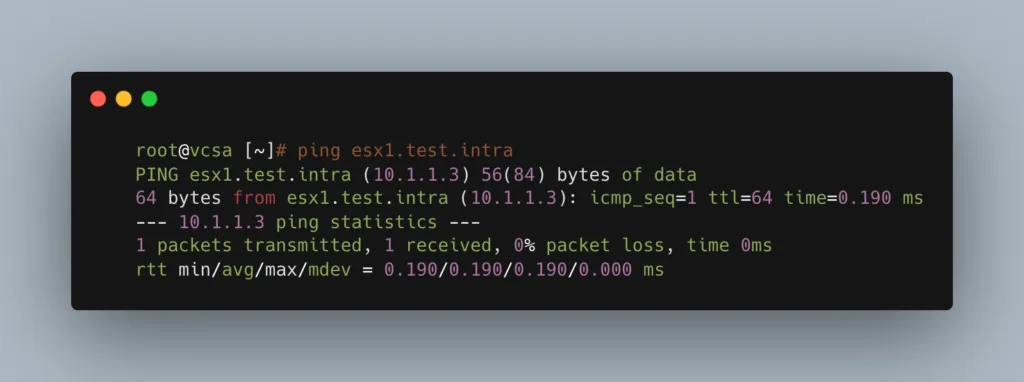
FQDN ping succeeds:
Solution

Two services have to be restarted on vCenter so that name resolution drops its cache and picks up DNS changes quickly:

  • systemctl restart dnsmasq
  • systemctl restart systemd-resolved

That is how you flush the DNS cache on your VCSA.
You might also like